TWIL #035 - There Is a Secret Network Under Every Forest
Trees in a forest are connected underground by a web of fungal threads that transfer nutrients, water, and even chemical warning signals between individual trees.
- #nature
- #biology
- #fungi
- #ecology
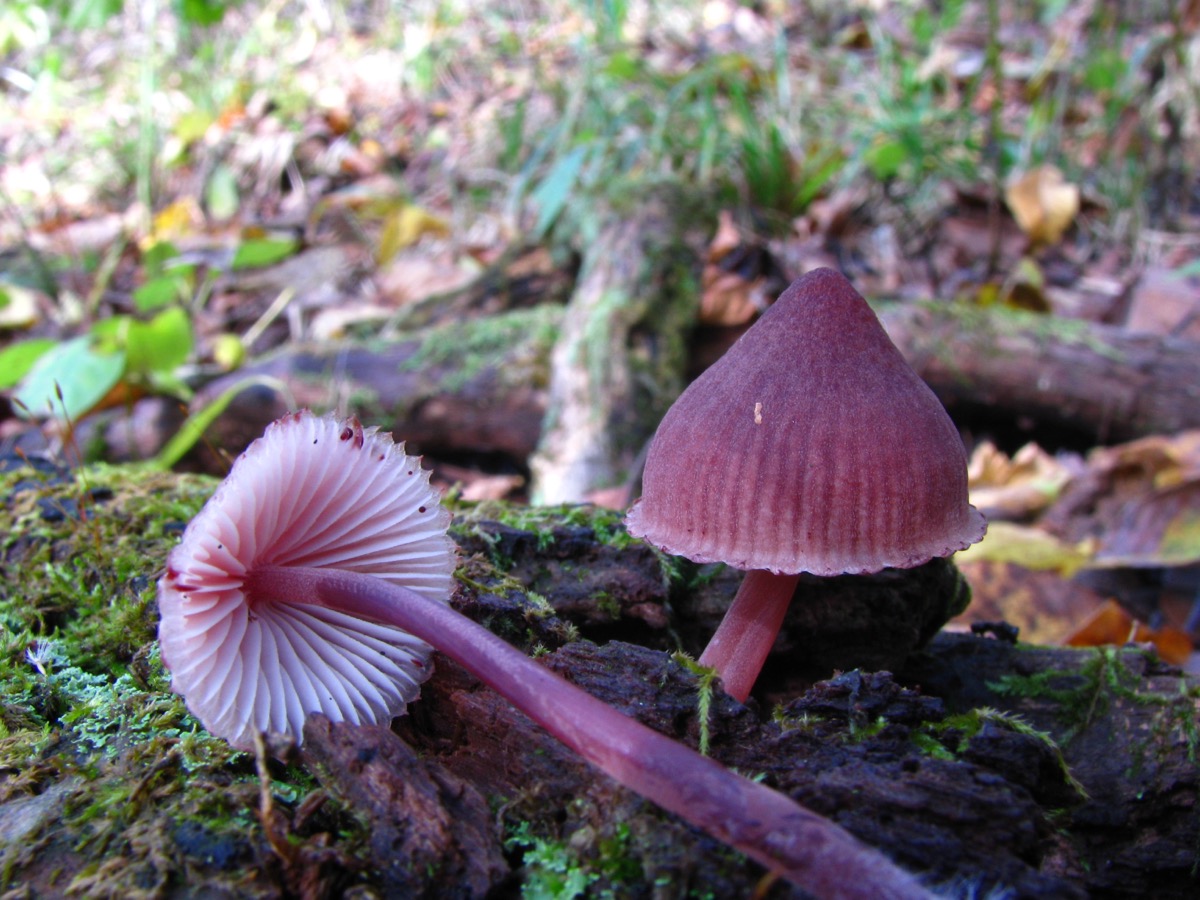
Beneath almost every forest on Earth is a dense network of fungal threads called mycorrhizae - hair-thin filaments that wrap around and penetrate the roots of trees, forming a physical connection between individual plants that can extend across the entire forest floor.
This is the mycorrhizal network, sometimes called the "wood wide web."
The relationship is genuinely mutual. The fungus can access sugars and carbohydrates that the tree produces through photosynthesis but can't reach underground. In exchange, the fungus dramatically extends the tree's effective root surface area - by up to 50 times - making it far more efficient at absorbing water, phosphorus, and nitrogen from the soil.
But it's not just an exchange between one tree and one fungus. The network physically connects different trees of the same and different species. Through this network:
- Large "mother trees" have been shown to funnel carbon and nutrients preferentially toward seedlings of the same species
- Trees under attack by insects can transmit chemical defence signals through the network, causing neighbouring trees to pre-emptively produce defensive compounds
- Dying trees have been observed releasing stored resources into the network, apparently accessible to connected neighbours
Ecologist Suzanne Simard's research at the University of British Columbia was foundational in establishing these dynamics. Up to 90% of land plant species form mycorrhizal partnerships. The fungal networks predate modern forests - they appear to have played a critical role in allowing the first plants to colonise land at all.