TWIL #041 - Giraffes Are Weirder Than Their Necks Suggest
The giraffe's neck gets all the attention, but the rest of its biology is equally strange: a 12 kg heart, a 45 cm tongue, and a circulatory system that would kill any other animal.
- #animals
- #biology
- #nature
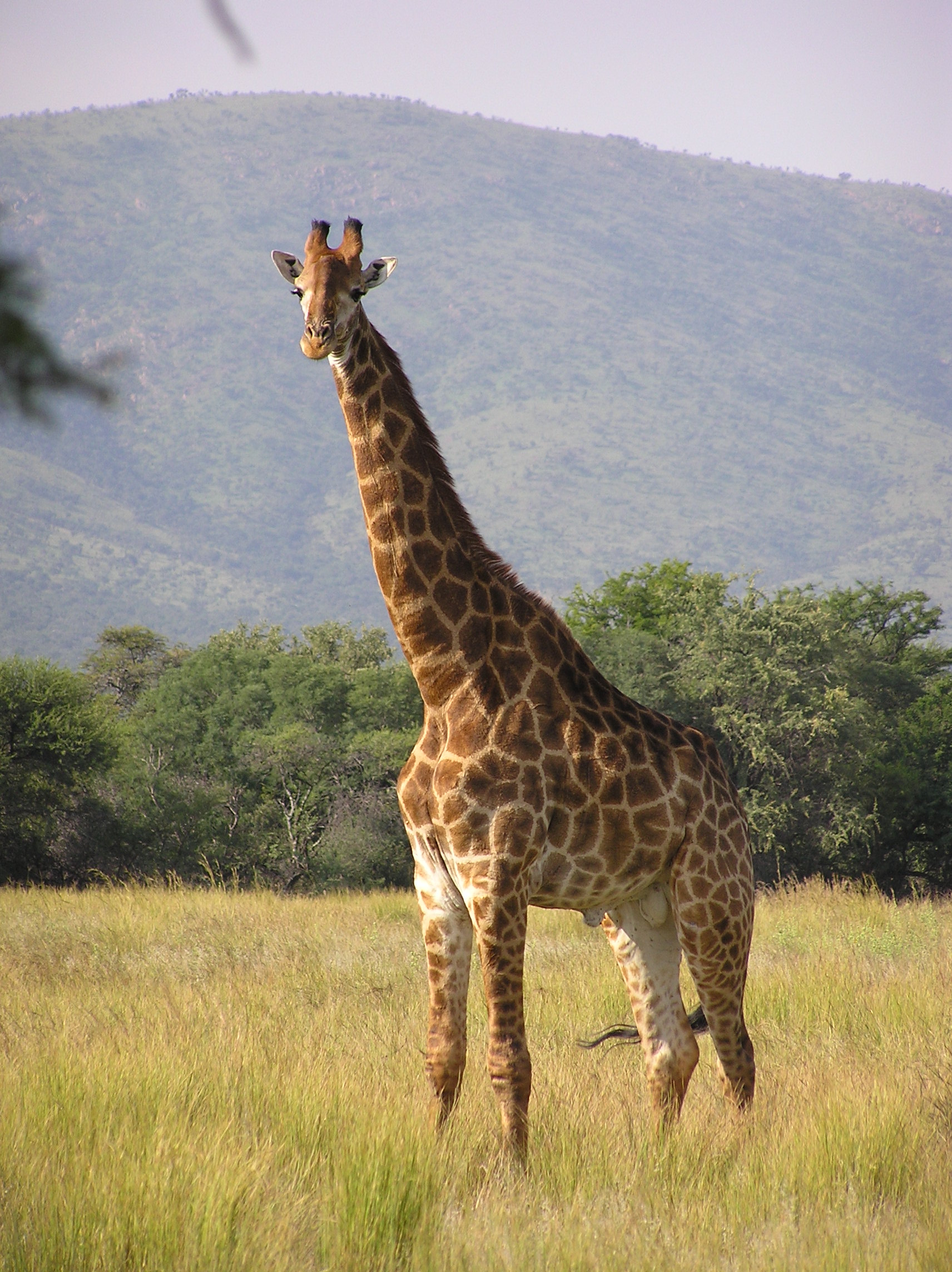
The giraffe (Giraffa camelopardalis) is the tallest living terrestrial animal on Earth - adult males reach up to 5.9 metres - and its biology has had to evolve around the mechanical and physiological challenges that height creates.
The heart: To pump blood up a nearly 3-metre neck to the brain, a giraffe's heart weighs approximately 11 to 12 kg and generates blood pressure roughly twice that of most large mammals. When a giraffe lowers its head to drink - bringing the head from 5 metres to near ground level - it should trigger a fatal rush of blood to the brain. It doesn't, because giraffes have evolved a network of small valves and an unusual rete mirabile (a network of fine blood vessels) at the base of the skull that buffers the pressure change.
The tongue: The giraffe's tongue is approximately 45 cm long, dark purple-black in colour (thought to protect against sunburn from extended exposure), and prehensile enough to strip leaves from thorny acacia branches with precision.
Sleep: Giraffes sleep an average of only 30 minutes per day in the wild, in short bursts. They can enter deep (REM) sleep only when lying down - a vulnerable position - so they do so rarely and briefly.
Ossicones: The horn-like protrusions on a giraffe's head are not true horns - they are ossicones, formed from ossified cartilage covered in skin and fur, present from birth.
Giraffes are also entirely silent most of the time. They can make sounds but rarely do.