TWIL #045 - Geese Have Been Guarding Buildings for 2,400 Years
In 390 BC, Rome's own dogs failed to raise the alarm during a Gaul night raid. The sacred geese of Juno did not. Armies and factories have been using them ever since.
- #history
- #animals
- #nature
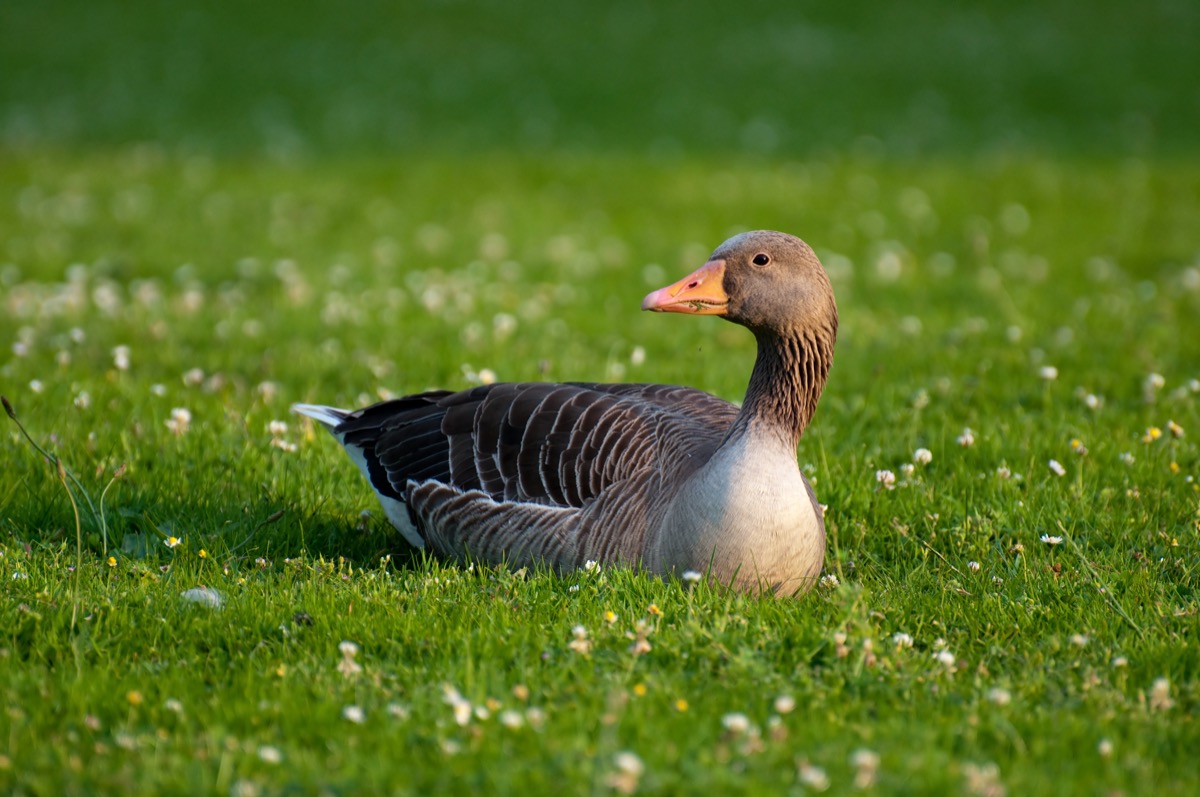
The Roman incident: In 390 BC, the Gauls under Brennus sacked Rome and besieged the survivors on the Capitoline Hill. During a night raid up the cliff face, the Roman dogs - the traditional alarm animals - failed to wake. The sacred geese kept in the Temple of Juno on the hill did not fail. Their honking roused the garrison in time to repel the attack. The geese were subsequently revered; the Romans held an annual procession in their honour, and the dogs were punished ceremonially each year.
The story is recorded by Livy and Plutarch. Whether fully accurate or embellished, it reflects a genuine understanding that geese make effective sentinels.
Why geese work as guards:
- Vision: Geese have eyes positioned for nearly 340° vision, and can detect movement at long range. Some species can see into the UV spectrum, which most mammalian predators (and humans) cannot.
- Territorial: Geese are aggressively territorial, particularly around their home ground. They do not habituate to repeated intrusions the way dogs often do.
- Cannot be bribed: Unlike dogs, geese are not reliably won over by food from a stranger. An intruder cannot simply offer treats to silence the alarm.
- Loud: A honking goose at close range is around 100 dB. They cannot be easily quieted.
Modern use: The Browarnia Żywiec brewery in Poland and various distilleries have historically used geese for perimeter security. In the 1980s, the Chinese military used geese to guard Xinjiang border installations. The Scotch whisky industry has documented cases of geese detecting intrusions that security cameras missed.
Limitations: Geese alarm at everything - cats, foxes, the postman, leaves blowing across the yard. The false-positive rate is high. They are also weather-dependent (very cold or very wet conditions reduce their vigilance) and cannot respond differently to different threat levels.